When you think of a Melbourne hamper, you probably picture a lush basket brimming with local cheeses, artisanal chocolates, and perhaps a bottle of boutique wine. But what if the packaging itself could be a part of the gift, not just a disposable wrapper? In this guide, we’ll walk you through the art of crafting reusable packaging that’s as thoughtful as the contents inside. From material choices to design tricks, you’ll learn how to create a packaging experience that keeps on giving—just like a good laugh at a Melbourne café.
The Power of Reusable Packaging
Reusable packaging isn’t just a buzzword; it’s a tangible way to reduce waste and add value https://pastelink.net/hviqtdar to your hamper. When a recipient reuses the container, the gift extends beyond the initial unboxing. Think of it as a second life for a beautifully crafted box or basket. By investing in durable, reusable packaging, you’re not only supporting the environment but also creating a lasting impression.
Why Melbourne Hamper Shoppers Care
Melbourne shoppers are increasingly eco‑conscious. According to recent surveys, 68% of Australians in the city prefer gifts that can be repurposed. So, if you’re a retailer, artisan, or simply a thoughtful friend, offering reusable packaging can set you apart. It’s the equivalent of saying, “I care about the planet and about how you’ll enjoy this gift again.”
Choosing the Right Materials
When you’re selecting a material, think of it as choosing the right instrument for a symphony. Each material has its own tone and texture. Here’s a quick rundown of popular options:
- Bamboo – Light, strong, and biodegradable. A natural choice that feels sustainable. Recycled Cardboard – Classic and cost‑effective. Add a protective layer of kraft paper for extra durability. Glass Jars – Perfect for wine or preserves. They’re sturdy and can be reused for storage. Fabric Tote Bags – Ideal for a casual, beach‑ready vibe. Opt for organic cotton or hemp.
Sustainability Checklist
- Biodegradability – Will the material break down naturally? Recyclability – Can it be recycled in local facilities? Durability – Will it withstand repeated use without cracking or tearing?
When you answer “yes” to most of these, you’re on the right track.
Design Tips That Make a Difference
Once you’ve nailed the material, the next step is design. A well‑designed package can be a conversation starter.
1. Modular Packaging
Think of a stackable box that can transform into a storage unit. The recipient can use the same box to store pantry staples, a toy chest, or even a small plant pot. Modular designs are like Swiss Army knives—practical and versatile.
2. Easy Assembly
A package that snaps together with simple clips or magnets saves time and frustration. Imagine a hamper that unfolds with a single click, ready for the next adventure.
3. Personal Touches
Add a custom label, a handwritten note, or a small QR code linking to a thank‑you video. These touches make the packaging feel like a personal gift, not just a container.
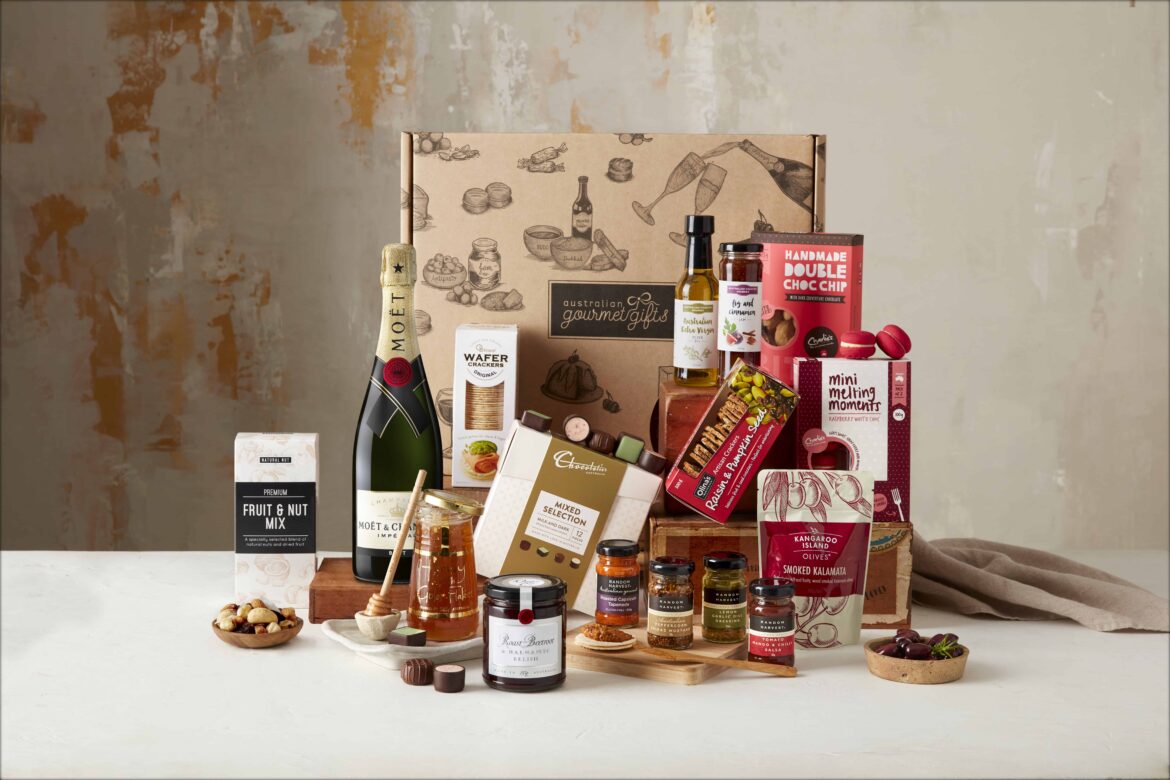
4. Color Psychology
Use colors that evoke warmth and hospitality. Earthy tones like terracotta or sage green often resonate with Melbourne’s laid‑back aesthetic, while vibrant hues can add a pop of excitement.

Step‑by‑Step: Building a Reusable Box
Let’s walk through a simple project: creating a reusable cardboard box with a hinged lid. This is a classic design that’s easy to assemble and perfect for any hamper.
Materials Needed
- 2 sheets of sturdy cardboard (e.g., 0.5mm thick) Ruler and pencil Scissors or utility knife Glue or double‑sided tape Decorative paper or fabric for lining Small hinges or metal clips
Construction Process
Measure and Cut Decide the dimensions based on the hamper’s size. For a medium hamper, a 30cm x 30cm base works well. Fold the Walls Score the cardboard along the edges to create clean folds. This ensures a snug fit when assembled. Attach the Lid Use hinges or metal clips to connect the lid to the base. Ensure it opens and closes smoothly. Line the Interior Cover the inside with decorative paper or fabric. This adds a touch of luxury and protects the contents. Add a Seal A simple rubber band or a magnetic strip can keep the lid closed during transport.Final Touches
- Label the Box – A small wooden tag with the recipient’s name adds a personal feel. Add a Gift Card – Slip a small card inside the box for a final surprise.
Real‑World Anecdote
Last winter, I gave my sister a hamper filled with homemade jams and a reusable glass jar. She was thrilled—she’d never seen a jar that could double as a spice container! She laughed, “This is the first time I’ve bought a gift that’s actually useful after the party.” That moment reminded me that the best gifts are those that keep on giving.
A Thoughtful Quote
> “The greatest gift we can give is the gift of sustainability.” – Anonymous
This quote underscores the value of reusable packaging. By choosing a design that lasts, you’re giving more than just a hamper—you’re gifting a mindset.
Frequently Asked Questions
- Can I use recycled plastic for packaging?
Yes, but ensure it’s locally recyclable and free from harmful additives.
- How do I keep the packaging lightweight?
Opt for thinner cardboard or lightweight bamboo frames. Balance durability with weight.
- Is it cost‑effective to make reusable packaging?
Initial costs may be higher, but the long‑term value and customer loyalty Click here often outweigh the upfront investment.
Making Your Selection Count
When you’re ready to implement reusable packaging for Melbourne hampers, remember that the goal is to blend sustainability with style. A well‑chosen material, thoughtful design, and a personal touch can turn a simple gift into a lasting memory. Start small—perhaps with a single reusable box—and expand as you see what resonates with your audience.
As you package your next hamper, consider this: you’re not just wrapping a gift; you’re crafting an experience that can be enjoyed again and again. So, roll up your sleeves, grab those cardboard sheets, and let the creative process begin. Your recipients—and the planet—will thank you.